“That’s the way I do things when I want to celebrate, I always plant a tree.”
- Wangari Maathai
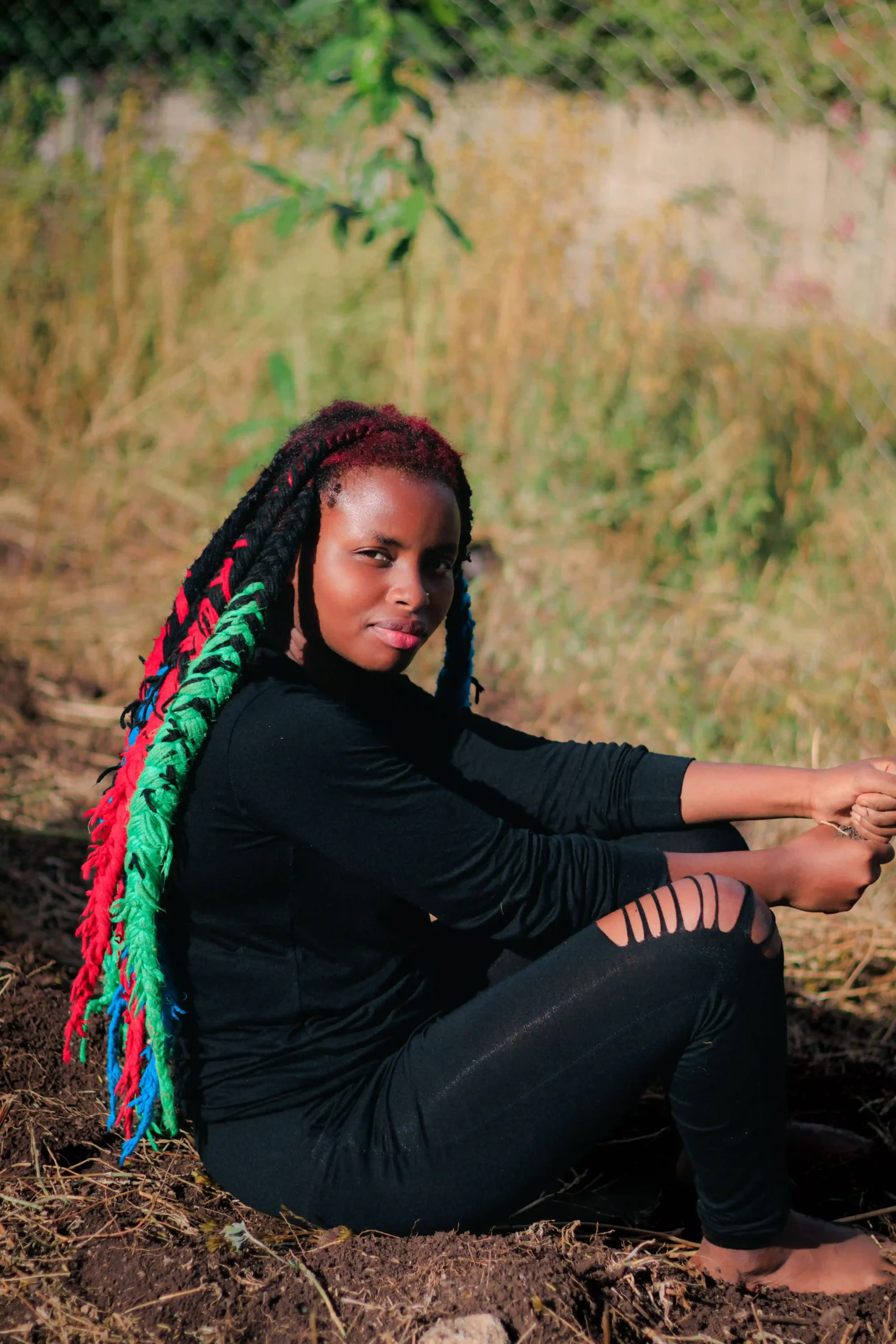
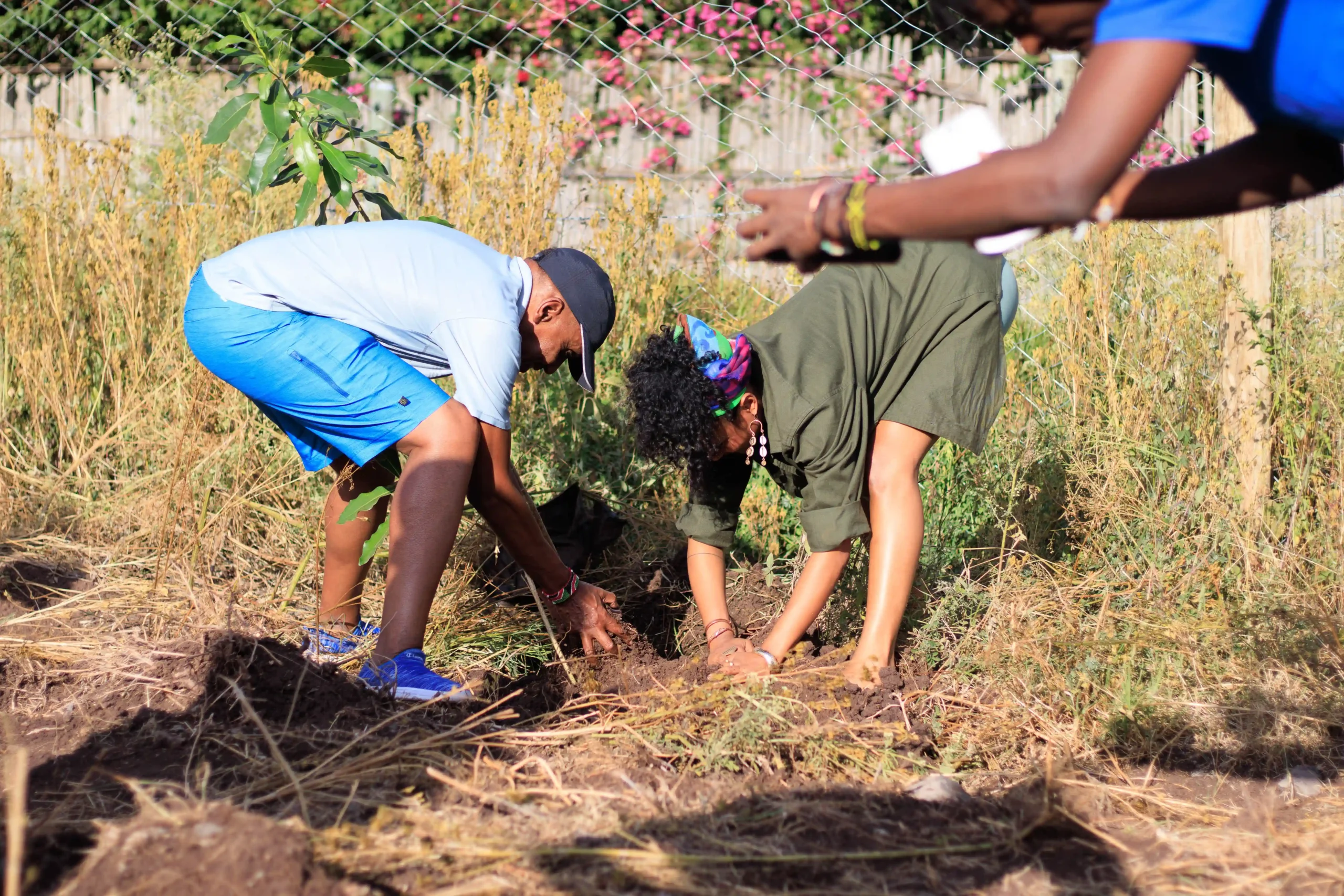
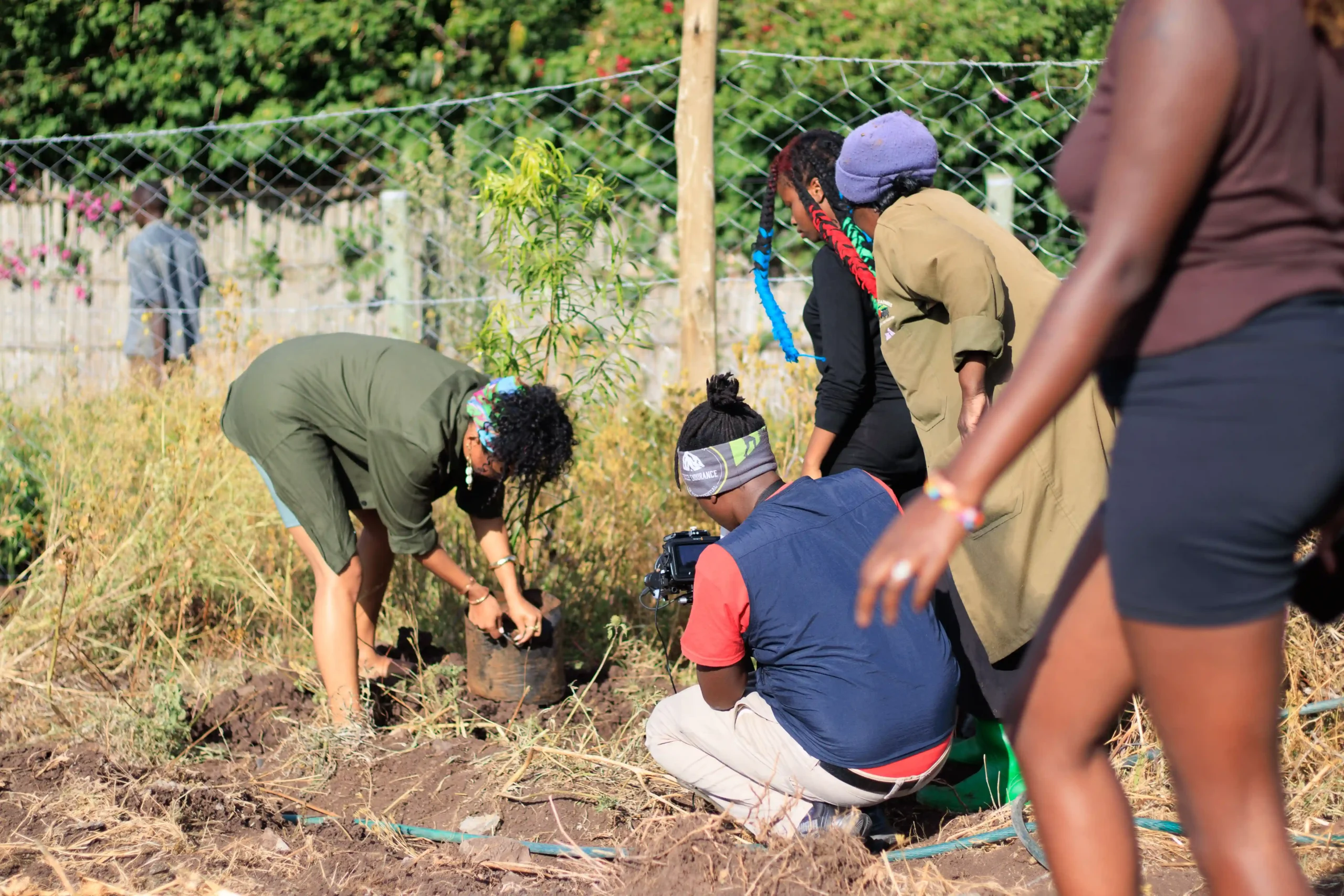
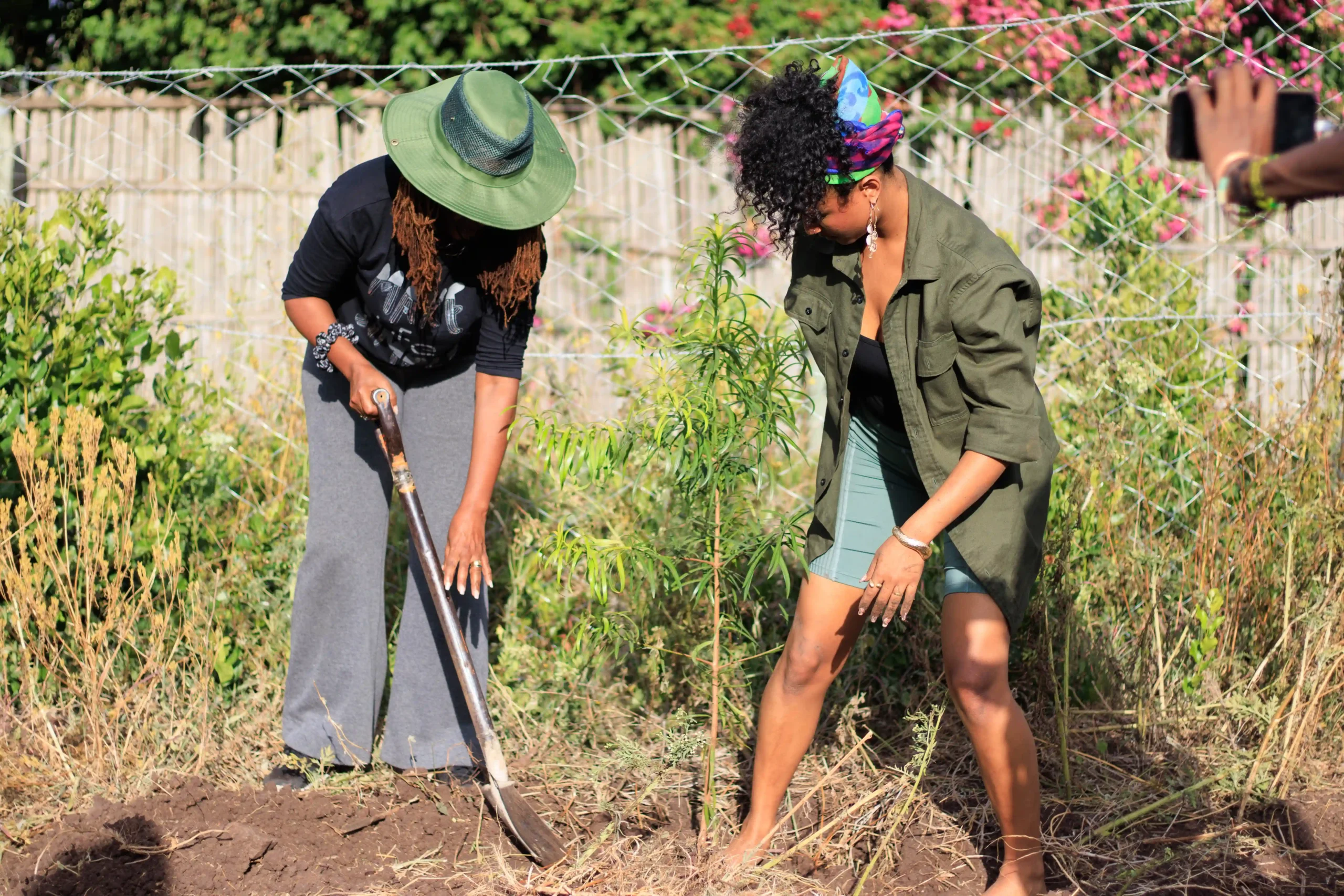
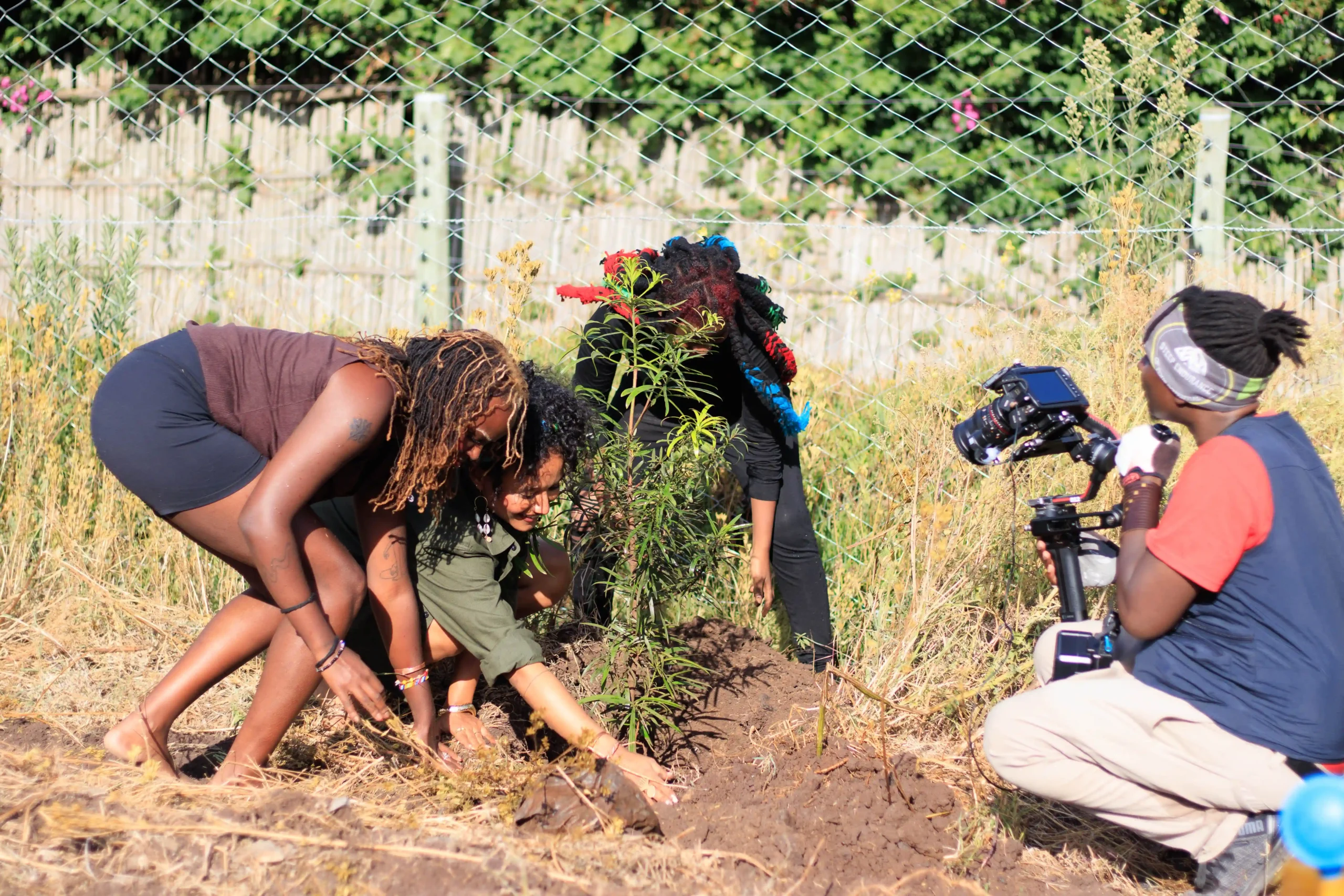
This year, Maisha Madrugada’s eponymous foundation chose to mark her birthday by giving back to the land. To celebrate the blessing of another year, a small group gathered on protected land at Rhino Watch Lodge, in Central Kenya to plant 100 indigenous trees. As a simple, devotional act, it was a way to mark time through responsibility, rather than consumption.
Maisha has been involved in environmental work for many years, including serving as a climate justice ambassador with Plant-for-the-Planet in 2009, where the focus was global tree restoration and youth advocacy. Since then, various projects have been born under Maisha Madrugada Foundation (MMF), such as Tiwi Turtle Police in Tiwi. Through this initiative, MMF enhances protection and conservation of sea turtles, while creating awareness for the local communities.
It is clear that climate work isn’t just about large-scale targets or policy conversations. It’s also about how we relate to the land and its people. It’s about long-term thinking, where small, consistent acts reveal the kind of future we can be proud of.
Planting these 100 trees was the continuation of a long journey — just quieter, more grounded.
Rooted in Responsibility
As a young woman, whose dedication to environmental consciousness has guided her for most of her life, Truphena Muthoni was an integral part of the earthly celebration. The young Guiness World Book Records winner, hugged a tree in the same county of Kenya for an astounding 72 hours. Breaking her own 48-hour record, she stunned the country and the world, as her silent protest was loud and proud. She, herself, remarks her passion for the environment as a “divine dispensation”, which speaks to the personal relationship that one can have to their land, their people and their future.
Naturally, planting trees was a delightful commemoration, where these young African women gave back to the land that raised them. It wasn’t a campaign or a fundraiser. It wasn’t a public event. It was simply an intentional act — a way to mark time through responsibility rather than consumption, for which the Maisha Madrugada Foundation stands.
Why Indigenous Trees?
The trees were native to the region in which they will grow, serving as the ecological basis of the life that depends on them, including birds, insects and people. Without them and the insects that co-evolve with them, local birds cannot survive. Furthermore, indigenous trees are adapted to local environmental conditions, they require far less water, saving time, money and the most valuable, natural resource, water!
Land degradation remains one of Kenya’s most imminent environmental challenges. Each year, millions of hectares of forest landscapes, rangelands and farmland lose their precious productivity, which threatens food security, challenges biodiversity and those communities whose vulnerabilities to climate change grows.
Land is More than Ecology
Land in East Africa isn’t separate from the identity of its people. Soil carries memory, language, medicine, food systems, and generational knowledge. When we choose indigenous species, we are choosing to honour that relationship.
Indigenous trees are often medicinal, carrying nutritional benefits that can be used to heal and treat, while providing color and beauty to the landscape it surrounds. Below are a few examples of the specific, indigenous trees that were sourced for the project, as they will turn into a forest we will one day, all marvel at:
Incrediby, the Meru Oak (Vitex keniensis) is endemic to Kenya, marking its importance for the project. As one of the largest trees that is native to Kenya, it is threatened by habitat loss. Due to its durable wood that can grow up to 35m, it has been severely over-exploited. Amongst the trees planted were prunus africana, the African cherry, which, in addition to the value for its timber, has several medicinal uses known to treat malaria, fever and chest pains. The species is vulnerable to the deforestation of its mature bark, and is listed in the Appendix II of the Convention of International Trade in Endangered Species of Wild Fauna and Flora (CITES).
Furthermore, a subspecies of the well-known olive tree, the African Olive Tree (Olea europaea) was planted as well, which is found extensively throughout Eastern and Southern Africa and produces durable, well-prized wood. While the East-African Red Cedar (Juniperus Procera), grows into mighty trees, slowly over a long time, Cypress ( Cupressus lusitanica ) grow bushy, prickly trees at a faster rate, both of which were amongst the trees that will now populate that land.
This tree planting project was not about numbers or optics. It was about care. It was a truly intimate, special way to be in communion with ourselves, one other and the land upon which we stand. A special thanks to those who assisted in sourcing the trees, preparing the soil, watering the trees and guiding us on how to plant a forest, a future.
Here’s how you can be a part of this transformative journey:
- Donate to Maisha Madrugada Foundation to support climate and conservation work
- Use your voice – share stories, advocate for green policies and inspire others to act
Written by Latasha Wangare, 02/26